
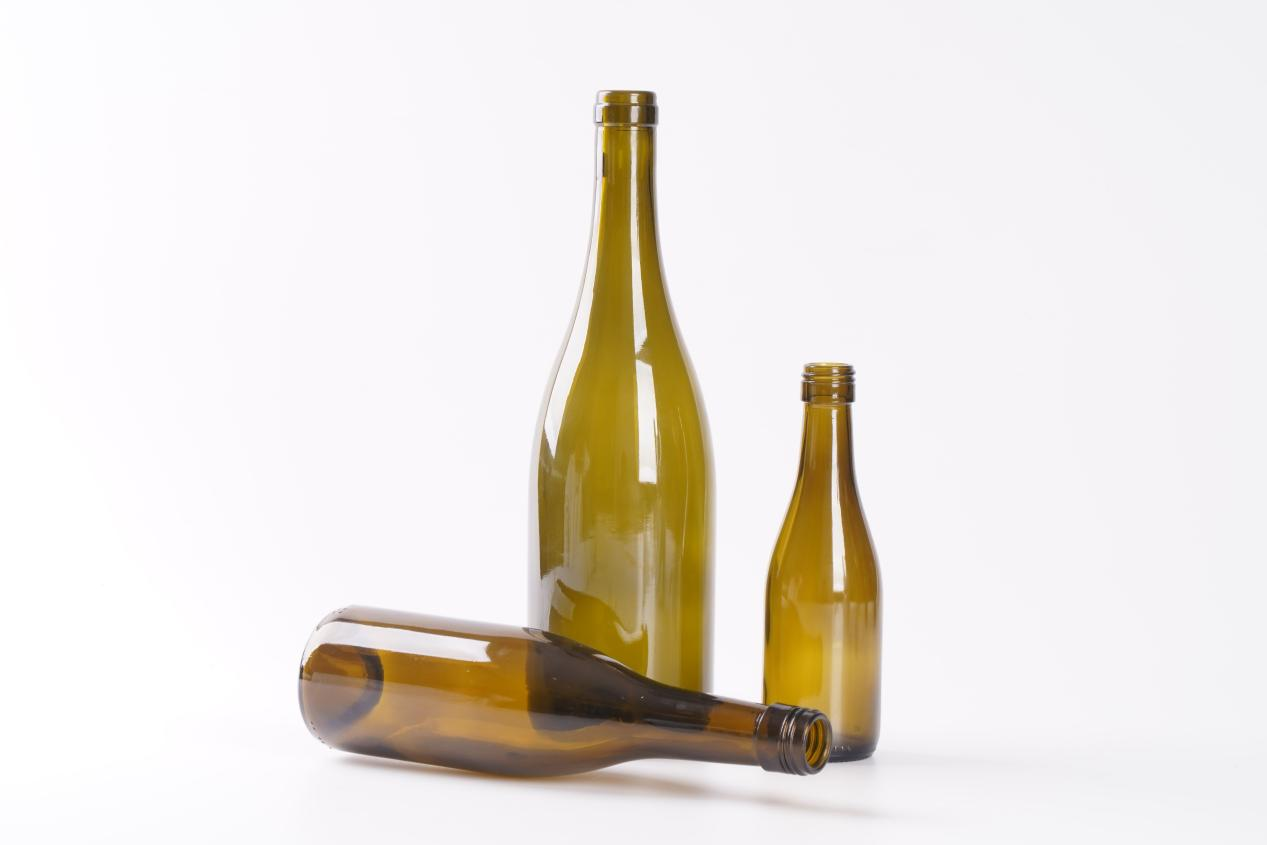
The global wine industry stands at a crossroads. Facing fluctuating market demand and persistently rising production costs, the sector is being driven by growing environmental concerns to undertake a profound transformation, starting with its most fundamental packaging element: the glass bottle.
Market Under Pressure, Traditional Model Challenged
In recent years, the global wine market has grappled with high inventory levels and lackluster consumer demand. In this context, packaging and logistics, which constitute a significant portion of total wine costs, have become key areas for reducing expenses and improving efficiency. The glass bottle, as a major cost component, requires substantial energy for production and transportation, costs ultimately passed on to the consumer, somewhat dampening purchasing enthusiasm.
‘Lightweighting’ and Sustainability Emerge as Key Solutions
In response to these challenges, a ‘subtraction’ revolution centered on the glass bottle is underway.
‘Lightweighting’ is the most prominent current trend. Through technological innovation, glass manufacturers can now produce bottles that are over 20% lighter yet equally robust. This directly reduces energy consumption for raw materials and melting and significantly cuts carbon emissions during transportation, delivering both economic and environmental benefits for wineries.
Concurrently, the use of bottles made with a high percentage of recycled glass is becoming increasingly common. This practice greatly enhances resource recycling and serves as a key selling point for brands showcasing their environmental commitment.
Diversified Exploration Broadens Industry Horizons
Beyond the glass bottle, the industry is actively exploring a wider range of packaging solutions.
· Premium Market: Upholding quality and brand image, some esteemed estates continue to use heavier bottles but are placing greater emphasis on their lifecycle and recyclability.
· Mid-Tier and Ready-to-Drink Market: The adoption rate of screw caps continues to rise, valued for their consistency and ability to prevent contamination. Furthermore, bag-in-box containers, high-quality PET plastic bottles, and even aluminum cans are carving out new growth niches in specific consumption contexts and among younger demographics due to their lightweight and portable nature.
Conclusion
The dual pressures of cost and environmental responsibility are compelling the wine industry to re-evaluate its centuries-old glass companion. From reducing bottle weight to exploring alternative materials, this quiet packaging revolution is not merely a response to current market challenges but the industry’s answer to building a more efficient and sustainable future.
Post time: Oct-29-2025